1 / 6Select main photo to view original
HIGH-SPEED RAILWAY ABUTMENT FORMWORK
High-speed railway abutment formwork
Applications
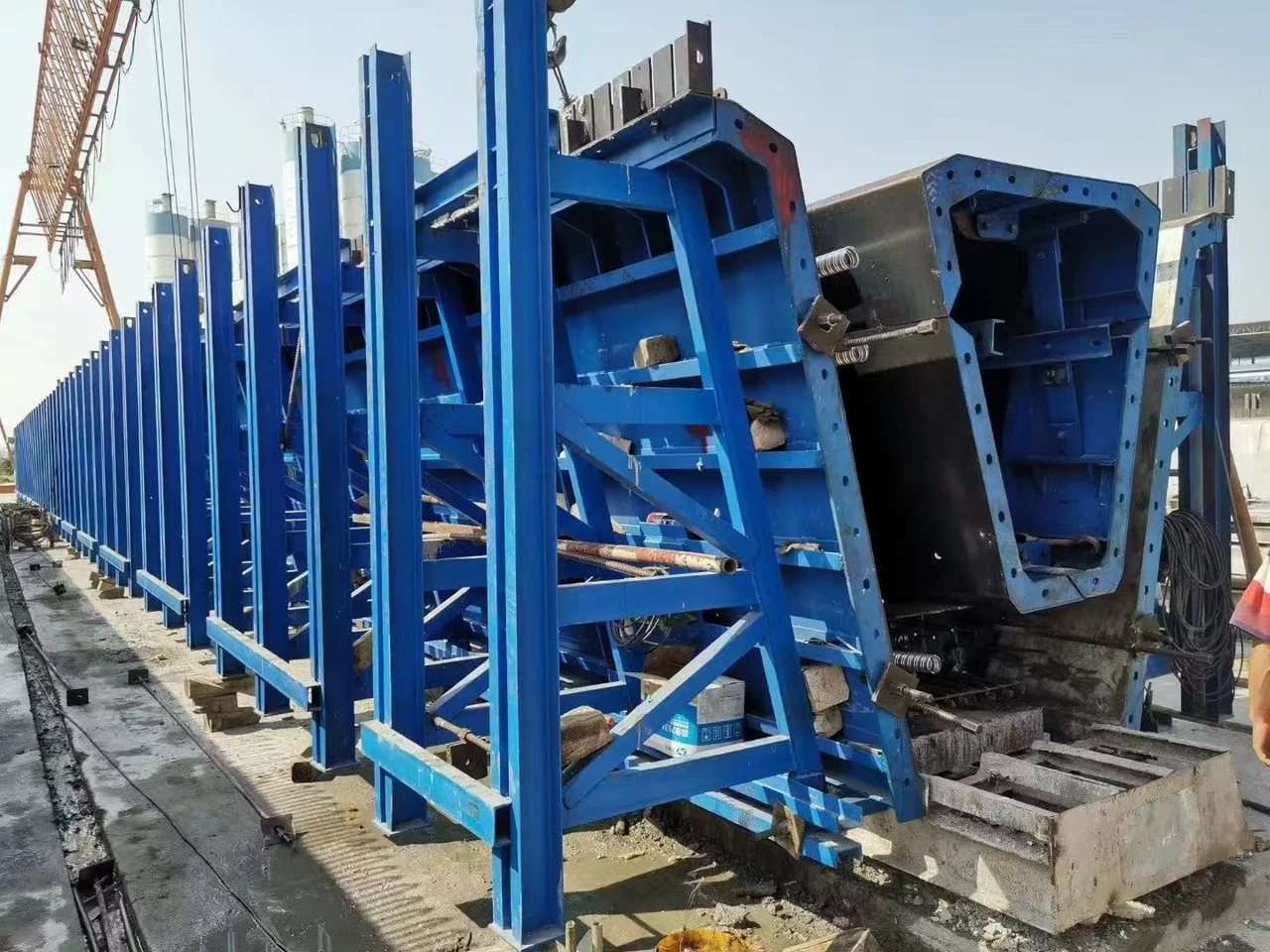
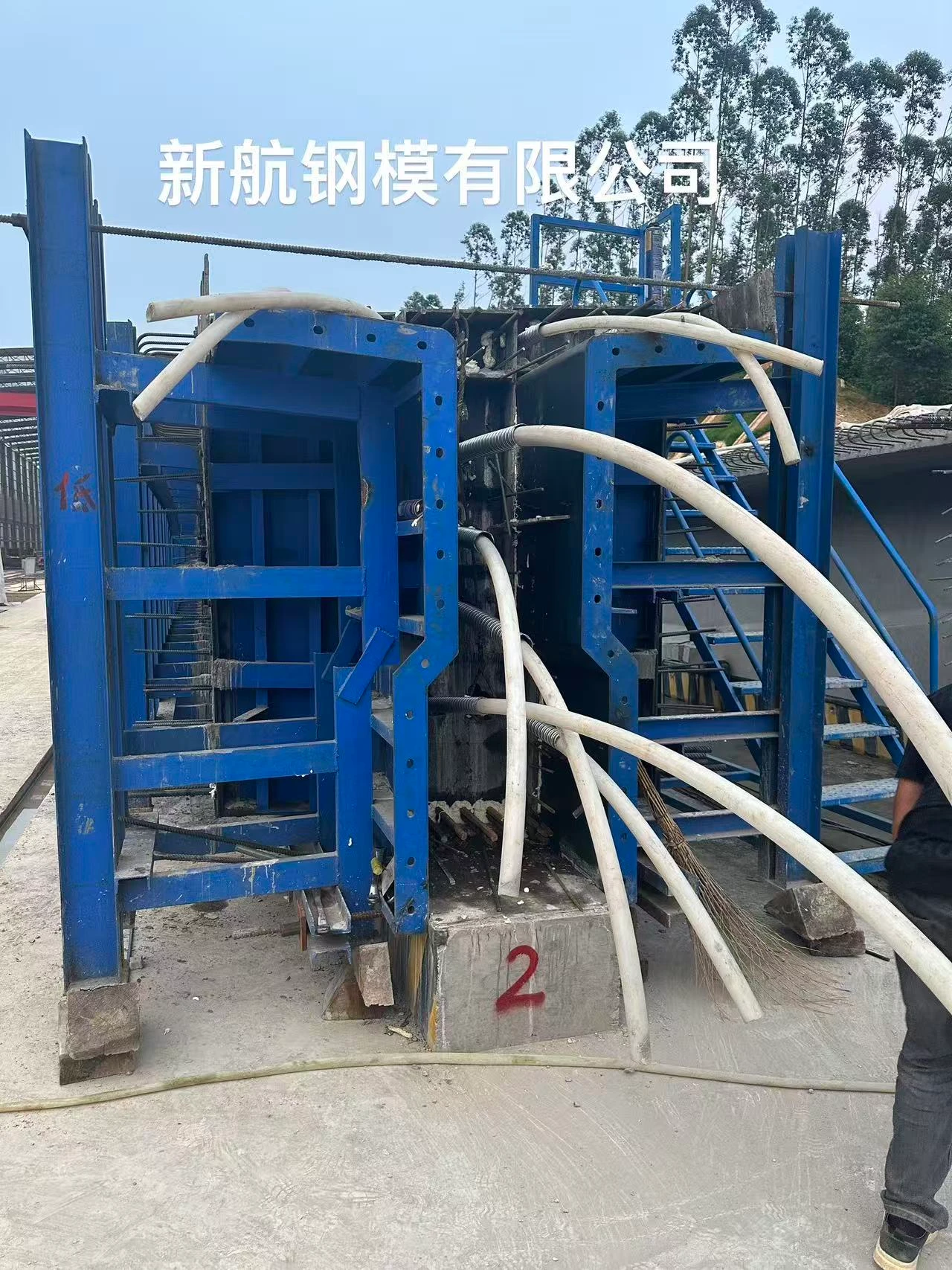
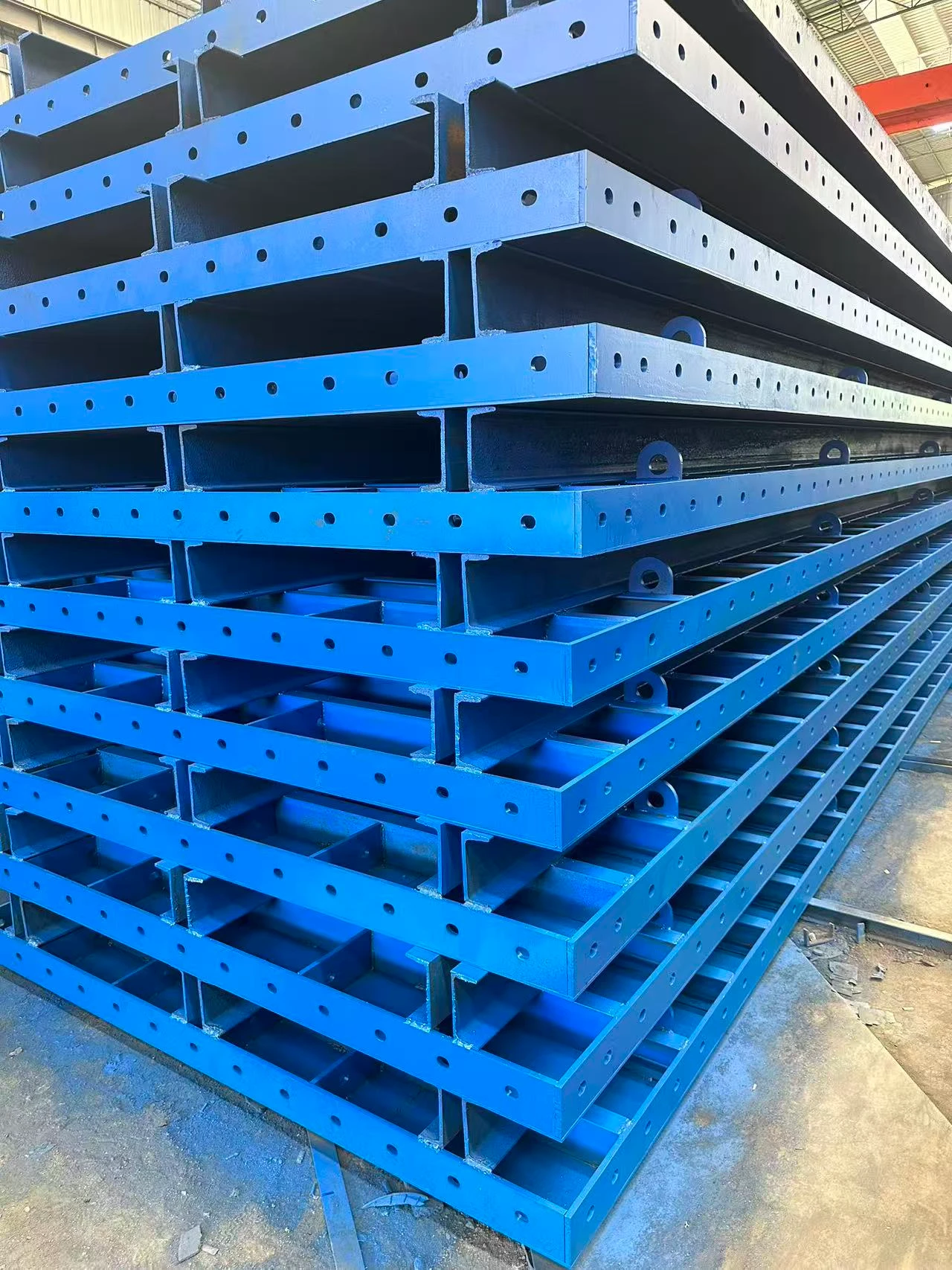
Steel forms for concrete railway abutments, with panel divisions based on body, cap, backwall and wing-wall geometry. Xinhang discusses panels, stiffeners and connections against project drawings, coordinating reinforcement, embedded items and staged casting.
Suitable applications
Xinhang features
01 Panels matched to abutment geometry
Coordinate body corners, cap transitions and backwall interfaces. Structural drawings define panel divisions and closures for identified site assembly.
02 Connections and overall stability
Panels, stiffeners, ties and external supports work together. Assess their configuration for casting height, placement rate and concrete pressure; inspect before pouring.
03 Embedded interfaces and staged reuse
Coordinate interfaces with bearing plinths, embedded items and openings. Site conditions govern stripping and lifting segments; clean and inspect before reuse.
Technical applications
Panel details coordinated around the structure and construction method.
Geometry checks
Check centre lines, body slopes, cap and backwall dimensions against approved drawings before fabrication and trial assembly.
Loads and supports
Assess plate thickness, stiffener spacing, ties and supports for construction loads and each abutment configuration.
Joints and embedded items
Inspect connections and seals at corners, transitions and construction joints. Verify embedded items and reinforcement clearances.
Lifting and stripping
Plan assembly and stripping around panel weights, lifting access and concrete strength requirements. Confirm lifting points and procedures for the project.
Specifications & photos
Configuration essentials and product photographs
- Structure
- Railway abutment bodies, caps, backwalls and wing walls
- Layout inputs
- Structural drawings, casting stages and embedded items
- Connections
- Segmented assembly; ties and supports to agreed design
- Fabrication basis
- Dimensions, plates and stiffeners assessed for the project
High-speed railway abutment formwork · 01High-speed railway abutment formwork · 02High-speed railway abutment formwork · 03High-speed railway abutment formwork · 04High-speed railway abutment formwork · 05High-speed railway abutment formwork · 06Selection and technical discussion
Provide abutment drawings, dimensions, embedded-item layouts, casting heights and stages, and lifting constraints. Confirm panels, plate thickness and supports against the construction scheme.
Dimensions, performance and supply scope follow project drawings and the agreed scheme.
Common questions
What is high-speed railway abutment formwork used for?
Steel forms for concrete railway abutments, with panel divisions based on body, cap, backwall and wing-wall geometry. Xinhang discusses panels, stiffeners and connections against project drawings, coordinating reinforcement, embedded items and staged casting.
What are the main features of high-speed railway abutment formwork?
Panels matched to abutment geometry: Coordinate body corners, cap transitions and backwall interfaces. Structural drawings define panel divisions and closures for identified site assembly. Connections and overall stability: Panels, stiffeners, ties and external supports work together. Assess their configuration for casting height, placement rate and concrete pressure; inspect before pouring. Embedded interfaces and staged reuse: Coordinate interfaces with bearing plinths, embedded items and openings. Site conditions govern stripping and lifting segments; clean and inspect before reuse.
What should be confirmed when specifying high-speed railway abutment formwork?
Provide abutment drawings, dimensions, embedded-item layouts, casting heights and stages, and lifting constraints. Confirm panels, plate thickness and supports against the construction scheme.