1 / 6Select main photo to view original
AQUEDUCT STEEL FORMWORK
Aqueduct steel formwork
Applications
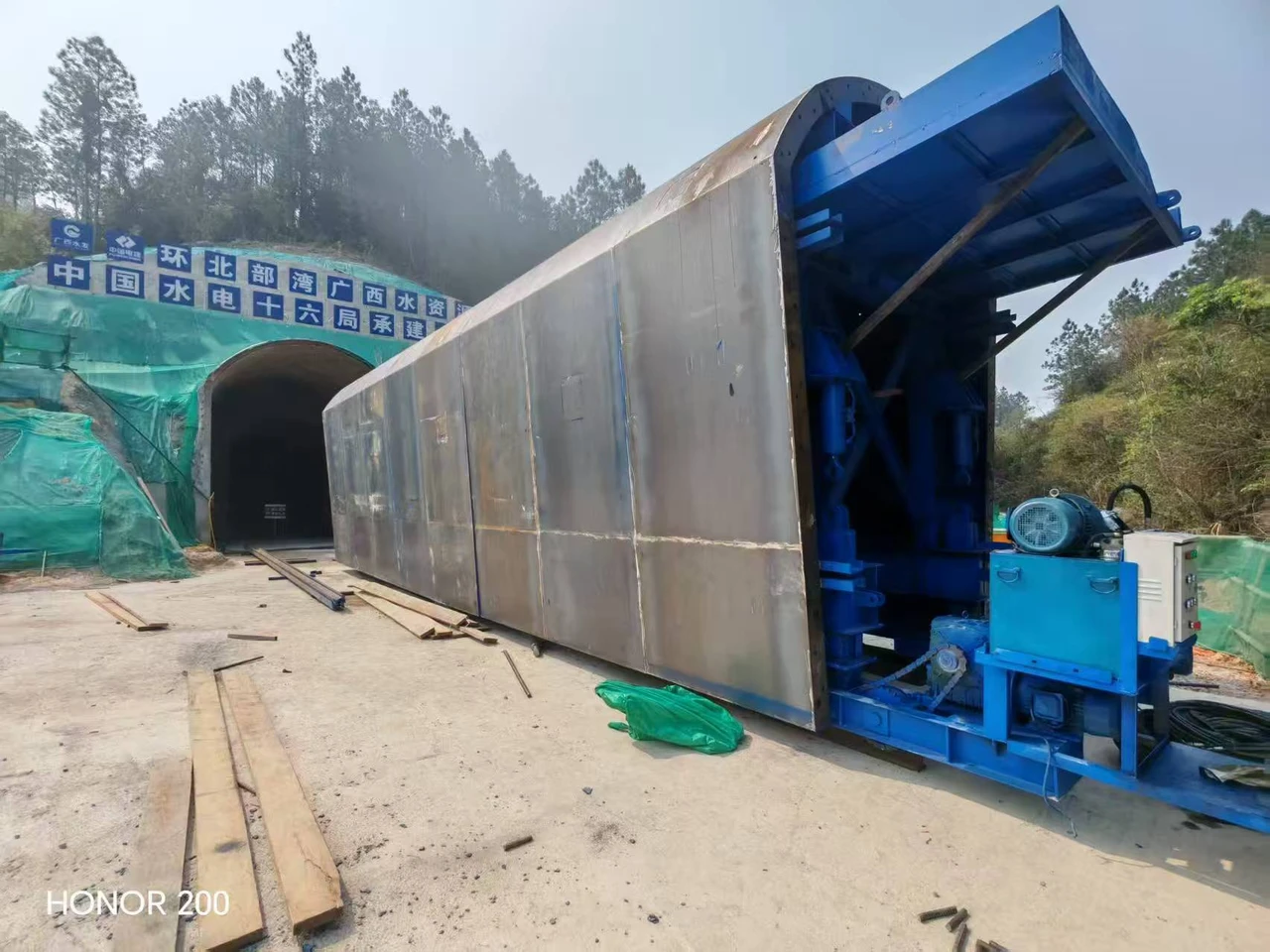
Aqueduct forms shape concrete troughs using inner, outer, soffit and end forms selected for the section and precast or cast-in-place method. Xinhang coordinates curvature, wall thickness, supports and casting stages, with attention to rims, ends and provisions.
Suitable applications
Xinhang features
01 Coordinated inner and outer profiles
Panel geometry follows the trough section. Check inner and outer profiles together for wall thickness, bottom transitions and rim alignment.
02 Segmented assembly for construction
Segments follow trough length, lifting capacity and site access. Support, erection and stripping arrangements differ between precast and supported in-situ construction.
03 Detailed interfaces and concrete finish
Coordinate end closures, construction joints, waterstops and openings. Inspect joints and positioning after assembly to control grout leakage, steps and section deviations.
Technical applications
Panel details coordinated around the structure and construction method.
Trough profile layout
Verify curvature, width, depth and thickness from section drawings, including smooth profile transitions.
Inner-form location and uplift
Assess inner-form location, restraints and uplift resistance against the placement sequence.
Ends and waterstop provisions
Waterstops, movement joints and end details follow project drawings, with stripping access coordinated in advance.
Supports and staged casting
Coordinate forms and supports, casting layers and stripping conditions through the project construction scheme.
Specifications & photos
Configuration essentials and product photographs
- Structure
- Aqueduct troughs
- Form components
- Inner, outer, soffit and end forms as required
- Key dimensions
- Width, depth, wall thickness and segment length
- Method
- Layouts confirmed for precast or in-situ work
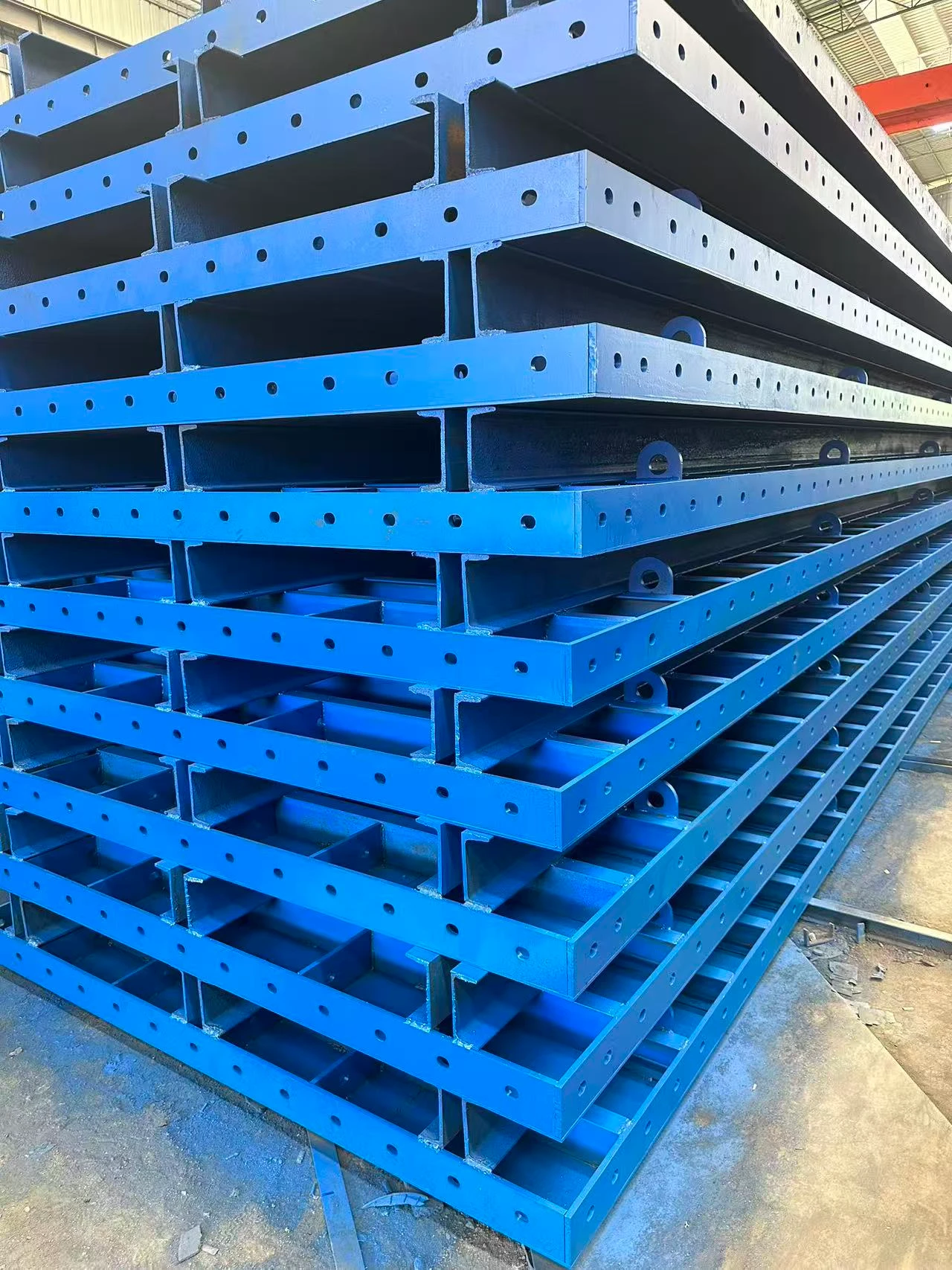
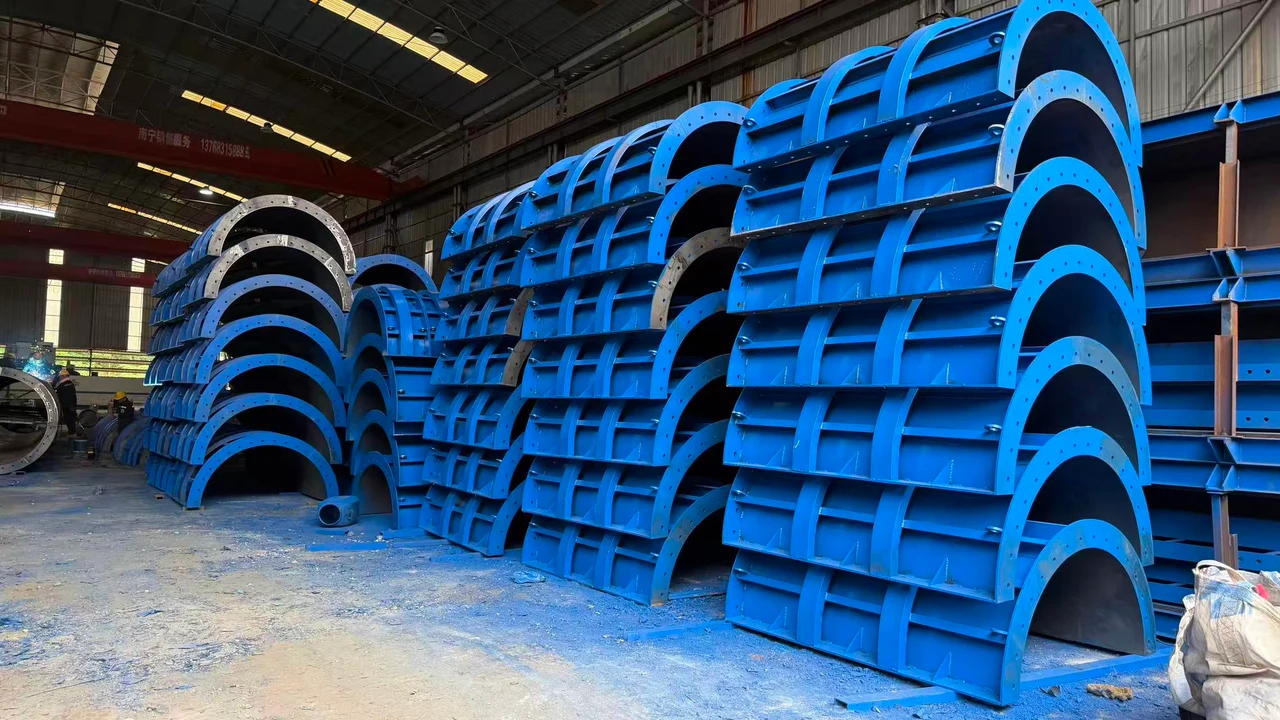
Aqueduct steel formwork · 01Aqueduct steel formwork · 02Aqueduct steel formwork · 03Aqueduct steel formwork · 04Aqueduct steel formwork · 05Aqueduct steel formwork · 06Selection and technical discussion
Provide trough sections, segment lengths, supports and waterstop details, together with the precast or in-situ method. Confirm panel structures, segmentation and supports for the actual conditions.
Dimensions, performance and supply scope follow project drawings and the agreed scheme.
Common questions
What is aqueduct steel formwork used for?
Aqueduct forms shape concrete troughs using inner, outer, soffit and end forms selected for the section and precast or cast-in-place method. Xinhang coordinates curvature, wall thickness, supports and casting stages, with attention to rims, ends and provisions.
What are the main features of aqueduct steel formwork?
Coordinated inner and outer profiles: Panel geometry follows the trough section. Check inner and outer profiles together for wall thickness, bottom transitions and rim alignment. Segmented assembly for construction: Segments follow trough length, lifting capacity and site access. Support, erection and stripping arrangements differ between precast and supported in-situ construction. Detailed interfaces and concrete finish: Coordinate end closures, construction joints, waterstops and openings. Inspect joints and positioning after assembly to control grout leakage, steps and section deviations.
What should be confirmed when specifying aqueduct steel formwork?
Provide trough sections, segment lengths, supports and waterstop details, together with the precast or in-situ method. Confirm panel structures, segmentation and supports for the actual conditions.